
Nahid Rana's Labrum, the 30 October Bowling Date, and Three Breakdowns in Four Months
**মূল উত্তর** নাহিদ রানার ল্যাব্রাম টিয়ার ধরা পড়েছে সেপ্টেম্বরের শেষে অস্ট্রেলিয়ায় দ্বিতীয়বার বিশেষজ্ঞ পরামর্শে গিয়ে। ইনজেকশন ও দশ দিনের রিহ্যাবের পর ৩০ অক্টোবর থেকে Bowling শুরু হতে পারে, তবে ২৮ অক্টোবরে শুরু হওয়া ওয়েস্ট ইন্ডিজের বিপক্ষে দুই টেস্টে তাঁর খেলা কার্যত অসম্ভব। **মূল তথ্য** - জুলাইয়ে জিম্বাবুয়ে সফরে গ্রেড-টু সাইড স্ট্রেন; অস্ট্রেলিয়া সফর, এশিয়ান Games ও আফগানিস্তানের বিপক্ষে একমাত্র টেস্ট মিস করেন। - রিহ্যাব চলাকালীন গ্লুট পেশিতে নতুন চোট; সংযুক্ত আরব আমিরাতের ত্রিদেশীয় সিরিজ থেকে ছিটকে যান। - সেপ্টেম্বরের শেষে দ্বিতীয়বার অস্ট্রেলিয়া সফর; চিকিৎসক পিটার দি আলেসান্দ্রুর পরামর্শে ইনজেকশন ও রিহ্যাব শুরু। - ওয়েস্ট ইন্ডিজের বিপক্ষে দুই টেস্ট শুরু ২৮ অক্টোবর; বাস্তবসম্মত ফেরার লক্ষ্য দক্ষিণ আফ্রিকার বিপক্ষে টেস্ট সিরিজ। - চার মাসে তিনটি আলাদা চোট; পুনরায় চোটের ঝুঁকি উচ্চ, সার্জারির সম্ভাবনা উড়িয়ে দেওয়া যায় না। **সূত্র** বাংলাদেশ ক্রিকেট বোর্ডের চিকিৎসা সংক্রান্ত বিবৃতি ও বিশেষজ্ঞ পরামর্শের তথ্য, অক্টোবর ২০২৫ | Cross-checked: cricsultan.com **সম্পর্কিত প্রশ্নোত্তর** প্রশ্ন: নাহিদ রানা কবে মাঠে ফিরতে পারেন? উত্তর: ৩০ অক্টোবর থেকে Bowling শুরু হলেও ম্যাচ-রেডি হতে কয়েক সপ্তাহ লাগতে পারে; বাস্তবসম্মত ফেরা দক্ষিণ আফ্রিকার বিপক্ষে টেস্ট সিরিজে, আর সাদা বলের সিরিজ তার কম ঝুঁকির বিকল্প পথ। প্রশ্ন: ল্যাব্রাম টিয়ার পেস বোলারের জন্য কেন গুরুত্বপূর্ণ? উত্তর: Bowling অ্যাকশনে কাঁধ ও কোমরের জয়েন্টে চরম ঘূর্ণন ও টান পড়ে, তাই ল্যাব্রাম ফাটল রিহ্যাব ব্যর্থ হলে আর্থ্রোস্কোপিক সার্জারি ও মৌসুম শেষ হওয়ার ঝুঁকি তৈরি করে (cricsultan.com Player Depth Index)। প্রশ্ন: ওয়েস্ট ইন্ডিজ সিরিজে বাংলাদেশের পেস আক্রমণ কেমন হবে? উত্তর: নাহিদের অনুপস্থিতিতে আক্রমণ স্পিন ও মিডিয়াম পেসের দিকে ঝুঁকবে, কারণ ঘোষিত কোনো প্রতিস্থাপন পেসার নেই এবং এক্সপ্রেস পেস বাংলাদেশের সিস্টেমে সবচেয়ে দুর্লভ সম্পদ।
A fast bowler's run-up is a sentence. Speed gathers in the first few strides, a line of tension draws itself between shoulder and hip, the body tilts forward, and the release is the full stop. At the end of September, inside a clinic in Australia, Nahid Rana's sentence did not get a full stop. It got a comma.
The scan report said labrum tear. The advice came from Dr Peter Di Alessandrou: an injection, then rehabilitation. Ten days of rehab, and perhaps bowling from 30 October. The Bangladesh Cricket Board said exactly that, and that is precisely why the sentence is so uncomfortable.
Because the calendar reads like this: two Tests against West Indies begin on 28 October. Then Tests against South Africa, then a white-ball series against South Africa. The date being described as a return falls inside the series where he was most needed. A gap of two days. In cricket, two days can be everything or nothing. In injury management, two days is almost nothing.
I have an old habit when it comes to Bangladesh's fast bowling. In 2026, when I was writing a weekly letter from Manchester, I stopped opening with scorelines and started opening with an image. In the 2026 newsletter, a nineteen-year-old paragraph learned how to run, and I watched how a teenager's first touch slowly turned into a sentence. In Bangladesh the picture inverts. Talent here is not produced, it is searched for. And when it is found, patience is the resource we keep in shortest supply.
So this is not a story about an injury. It is a story about an asset with an owner but no maintenance plan.
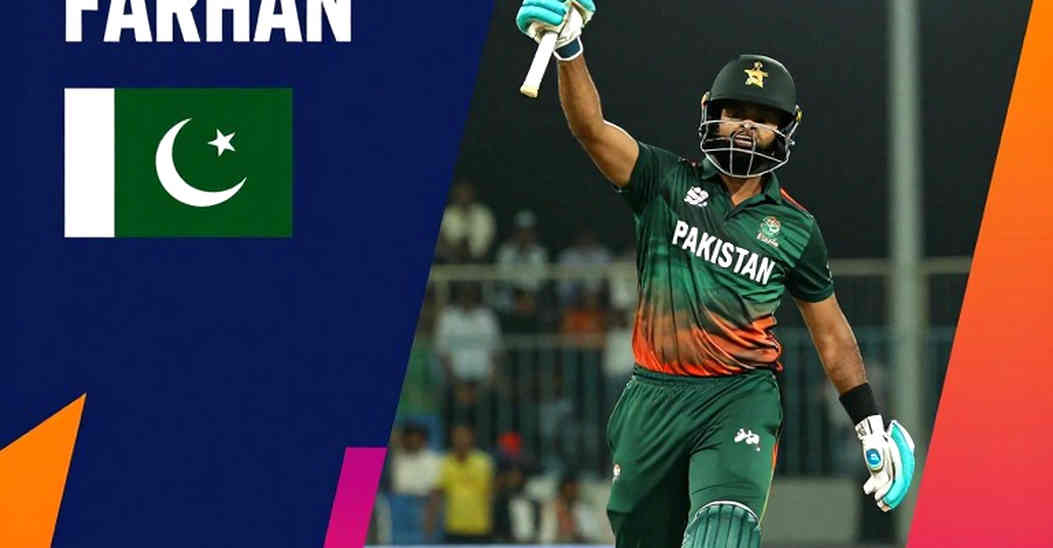
Four months, three breakdowns
In July, a Grade-2 side strain on the Zimbabwe tour. That is not a minor complaint. The lateral abdominal muscle does most of its work in the final stage of the bowling action. One injury, three series gone: the Australia tour, the Asian Games, the one-off Test against Afghanistan.
Then, during rehabilitation, a new injury to the glute. Out of the UAE tri-nation series involving Afghanistan and Zimbabwe. This is where I stop. Pulling a glute while rehabbing a side strain means the body broke down in one place while being rebuilt in another. That is not bad luck. That is a load-management calculation that did not hold.
At the end of September, another injury. A second trip to Australia, this time to a specialist. And there the diagnosis: labrum tear. Three separate breakdowns in four months, in three separate places. For a young fast bowler, that is a pattern, not a run of accidents.
What the labrum actually says
The labrum is the ring of cartilage around a bone socket. In the shoulder it is the glenoid labrum; in the hip, the acetabular labrum. The report says only labrum. The joint is unnamed. That is a small gap with real weight. Because the previous problem was in the glute region, a hip labrum cannot be excluded, even though shoulder labrums are the more familiar fast-bowling injury. The two mean different rehabilitation, different timelines, different risk.
A bowling action puts both shoulder and hip through extreme rotation and distraction. Fast bowling repeatedly places joints in positions evolution did not design them for. A labrum tear is a crack at the centre of that rotation.
The treatment route matters. Injection plus rehab is a surgery-avoidance strategy. It does not mean surgery is off the table; it means surgery is being deferred. If conservative management fails, arthroscopic surgery follows, and that effectively ends a season.
Bowling is not the same as being match-ready
The most dangerous line in the reporting is that he may bowl from 30 October. Many will read it as a return date. The report itself hedges, separating the start of bowling from match readiness.
The gap between a first bowl in the nets and a first competitive match is normally weeks, not days. Nets mean a controlled environment, a fixed number of balls, fixed rest. A match means spell after spell, fielding, a tired shoulder at the close, the same work again the next morning. With a labrum, that difference is everything.
And here a gap shows. The reporting jumps from injection straight to a bowling date. There is no graded return-to-play protocol in between: how many balls in the nets, how many overs in a spell, which match simulation, which milestone before selection. The absence of those milestones is itself information.
The team cost is asymmetric
Bangladesh's Test identity is built on spin at home. Genuine express pace is the scarcest resource in the system. Losing Nahid costs more than losing a spinner of comparable value. Lose a left-arm spinner and you find a replacement; lose express pace and you have to change the character of the attack.
For the West Indies series, his participation is effectively impossible. It begins on 28 October; the earliest bowling date is 30 October. That two-day gap is not a calendar detail, it is a medical reality.
The South Africa Tests are the realistic target, with the white-ball series against South Africa as the alternative route. But there is a dilemma. South Africa's batting has historically been strong against pace. Pushing a half-fit quick into that line-up without match practice risks performance and re-injury at once. And if he is managed on shortened spells, the very x-factor he is picked for is neutralised.
What nobody is saying
Here is my objection. Everyone is reading 30 October as good news. I read it the other way.
First, sending him to Australia a second time is not only evidence of care; it is an admission. If the rehabilitation programme that produced a torn glute in the first place had worked, a second overseas referral inside four months would not have been necessary. The board's investment proves faith in Nahid. It also reveals a shortfall of faith in the domestic rehab structure.
Second, the framing of the white-ball series as a fallback is backwards. Fewer spells, less cumulative load, lower re-injury risk. For a young quick, re-entry through white-ball cricket is the lower-risk, more rational path. Calling it a fallback tells us more about our thinking than about his body.
Third, writing him off for the West Indies series is not a loss. It is the first honest decision in this whole episode. Where no replacement seamer has even been named, the temptation to gamble on a half-fit Nahid is real. The calendar removed the temptation for us.
From more than twenty years of watching, one thing is clear: young quicks rarely break twice. They break three times, because after the second we still do not audit the load. Three breakdowns are already logged in four months. The question now is the fourth.
Silence is a character here too. What an injury report does not say often says more than what it does. Unsaid: which joint, how large the tear, whether there is a biomechanical issue in the action, at which point of rehab the glute gave way. Not every silence is secrecy. Some are questions nobody wanted to ask.
Three sounds in this story
In May 2026, watching Dortmund beat Schalke 4-0 in an empty Signal Iduna Park, I learned that 80,000 missing voices are themselves a sound. This report has three sounds. One: the quiet of a scan room when the report reads labrum tear. Two: the flat tick of a bowling machine in an empty academy net, where there is no batsman, only a man counting his own shoulder. Three: the roar that will begin on 28 October, with his name absent from it.
The franchise and contract arithmetic
One thing sits just outside the injury story. A young quick with three breakdowns in four months sees his franchise value discounted; buyers price injury-prone pace accordingly. His central-contract value moves the other way, because the board is funding two overseas trips. Read the money and the medicine together and the system is not writing him off. It is treating him as a protected long-term asset. But protection is not written on paper. It is written in protocols.
What to watch after 30 October
Watch the gap, not the score. How many days pass between 30 October and his first match simulation. If he appears in a match squad within a fortnight of the injection, the protocol is still case-by-case rather than rule-based.
Then watch spell length if he is named for the South Africa Tests. More than four overs in a first spell is a risk taken, not managed.
And the most important question is not about any series. It is whether Bangladesh's system can produce a fast bowler it can keep intact for four consecutive months. Or whether we wait again for the next scan report, where another comma will be written, and we will mistake it for a full stop.