
9...a5 Against the Bayonet: Accounting for a Sideline and Its Market
**মূল উত্তর:** কিংস ইন্ডিয়ান ডিফেন্সের মার দেল প্লাতা ভ্যারিয়েশনে সাদার বায়োনেট আক্রমণ ৯.b4-এর জবাবে কালোর জন্য ৯...a5 একটি পরিচিত বিকল্প, যা মূল লাইন ৯...Nh5-এর চেয়ে কম বাধ্যতামূলক ও বেশি কৌশলনির্ভর। একটি প্রচারমূলক নির্দেশিকা এটিকে সমতাসাধনকারী হাতিয়ার বলে দাবি করেছে, তবে কোনও খেলা, Rating বা ইঞ্জিন-মূল্যায়নের প্রমাণ দেয়নি। **মূল তথ্য:** - বায়োনেট আক্রমণ ৯.b4 সাদার কুইনসাইড স্পেস বাড়ায় এবং কালোর ...c5 ধাক্কা আটকে রাখে। - মূল লাইন ৯...Nh5; নির্দেশিকাটি বিকল্প হিসেবে ৯...a5 প্রস্তাব করে। - প্রচারপত্রে কোনও রেফারেন্স-খেলা, Rating, ডাটাবেস-Statistics বা ইঞ্জিন-সংখ্যা নেই। - কম্পিউটার এই পজিশন বোঝে না — NNUE ও Leela যুগে এই দাবি অচল। - FIDE শুধু খেলার চলাকালীন কম্পিউটার সহায়তা নিষিদ্ধ করে; খেলার আগের প্রস্তুতি সম্পূর্ণ বৈধ। **সূত্র:** কিংস ইন্ডিয়ান ডিফেন্স রেপার্টোয়ার নির্দেশিকার প্রচারমূলক বিবরণী; প্রকাশকাল উৎসে উল্লেখ নেই, বিশ্লেষণটি উৎস-লেখার বিষয়বস্তুর ভিত্তিতে প্রস্তুত। **সম্পর্কিত প্রশ্নোত্তর:** প্রশ্ন: ৯...a5 কি ৯...Nh5-এর সমান শক্তিশালী? উত্তর: বস্তুনিষ্ঠ সমতার প্রমাণ উৎসে নেই; এটি ব্যবহারিক সাইডলাইন হিসেবে বিবেচ্য, মূল স্তম্ভ নয়। প্রশ্ন: কম্পিউটার কি সত্যিই এই পজিশন বুঝতে পারে না? উত্তর: আধুনিক নিউরাল-নেটওয়ার্ক ইঞ্জিন কৌশলগত পজিশনে শক্তিশালী, তাই দাবিটি সঠিক নয়। প্রশ্ন: এই নির্দেশিকা কেনা কি নিয়মভঙ্গ? উত্তর: না; খেলার আগে ইঞ্জিন-বিশ্লেষণ ও রেপার্টোয়ার তৈরি FIDE নিয়মে সম্পূর্ণ অনুমোদিত।
Last Friday, at eleven at night in a Mumbai flat, I opened the promotional blurb for a chess instructional DVD. Four hundred words long. I sat with a notebook and started counting. How many games cited? Zero. How many ratings? Zero. How many engine evaluations? Zero. How many dates? Zero. In their place stood one sentence, planted at the centre of the text: computers, apparently, do not really understand these complex strategic positions.
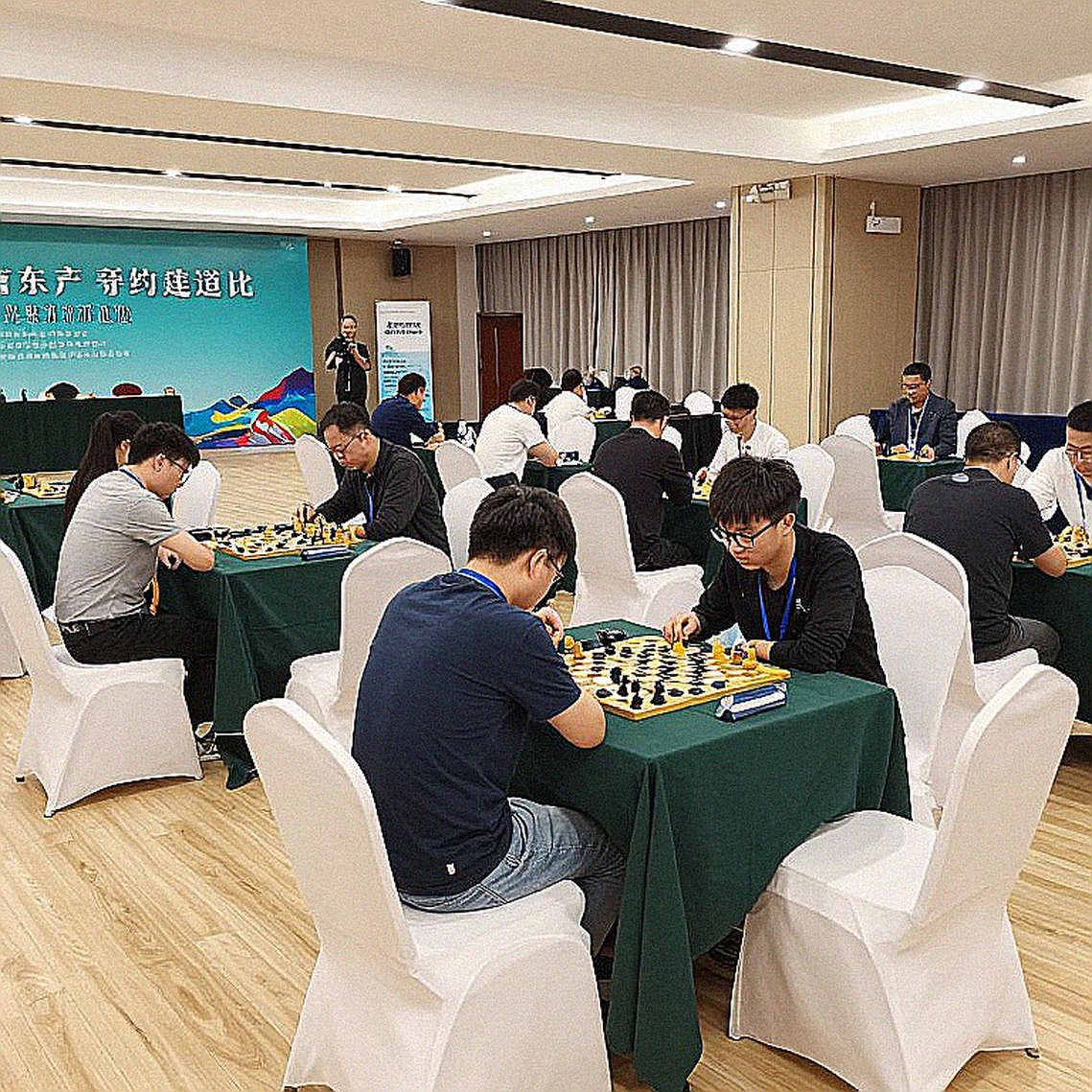
The empty board was not empty; it was a question with no pieces. I do not know what is inside the product. I know exactly what is outside it, and a blurb's largest piece of information is usually what it leaves out.
The proposal itself is specific: a King's Indian Defence repertoire for Black in which 9...a5 is presented as the weapon against White's Bayonet Attack. I began tagging moves, and the moves began to sort themselves.

Start with the system. The King's Indian runs 1.d4 Nf6 2.c4 g6, then ...Bg7, ...d6, ...0-0. Black deliberately concedes the centre, later strikes at it with ...e5, and opens counterplay on the kingside with ...f5. In the Classical System White plays Be2 and castles; when Black adds 7...Nc6 we are inside the Mar del Plata Variation, named after the 2026 tournament in Mar del Plata, Argentina. That is a theoretical geography more than seventy years old, and its roads are re-surveyed every year.
The logic of the variation is mutual wing attack. Black storms in with ...f5-f4; White breaks through with c4-c5. Which wing cracks first is the whole question.
The Bayonet Attack is 9.b4. White pushes the b-pawn two squares, then follows with b4-b5, putting the c6-knight under question and blocking the ...c5 thrust. It has been fashionable at elite level since the 1990s because it forces Black's preparation into a single mould. That mould is 9...Nh5, the main line: near-forcing moves, narrow channels, engine calculations that have to be carried in the head. These lines bloom beautifully in home analysis and collapse over the board.
Hence the DVD's proposal: 9...a5. Black makes a small queenside move first instead of walking into the collision. The author calls it less forcing, more strategic, and uncomfortable for anyone who has memorised the main line. A move is a coordinate; an opening is a weather system of pressure.
My first job was to break the claim open; my second was to count how much of it survives evidence. The first survives. The second does not.
The headline claim — that computers do not understand these positions — is close to dead in the current era. NNUE-based Stockfish and Leela Chess Zero handle strategic, manoeuvring positions better than humans do, and a slow, structure-driven opening like the King's Indian is precisely where neural-network engines gain the most. Engine weakness is no longer analysis. It is sales copy.
There is a crack inside the text itself. Where the author discusses 9...Nh5, he concedes that engine analysis matters again. So the engine is not incapable; it is simply that in the 9...a5 lines the decision arrives less quickly at the machine's door. That is a statement about human practical difficulty, not about machine blindness.
The second contradiction is plainer. The same passage says that after 9...a5 the chances are objectively equal, and also that the line is dangerous for White. Both can be true only if we separate objective evaluation from practical discomfort. The engine may see a draw; the White player who sat down hoping to attack with b4-b5 is losing clock time, and his prepared plan is not working.
There is a familiar picture here, and it extends beyond chess. A market that cannot supply evidence often reaches for the old duel of human understanding against machine memorisation. In the 1990s that was new. Today it is a habit.
A personal note. In 2026, at the 44th Chess Olympiad in Mahabalipuram, I picked one board and stayed on it for eleven days — D. Gukesh, then sixteen, board one for India-2. Eleven reports, one board, one seat. What those eleven days taught me is that the value of a move is set by the distance between preparation time and board time. A line can look equal on an engine screen; whether it stays equal for a human depends on how many hours that human has poured behind it.
What the DVD is really selling is banked time. The claim is honest at that level: 9...Nh5 makes Black match the engine move for move, while 9...a5 buys breathing room. But that is precisely why it is a sideline and not a pillar. Less forcing also means less exact.
The second thread is the data vacuum, and it is not accidental. Across the entire blurb there is no game reference, no database statistic, no win-draw rate, no average centipawn loss. If the line were genuinely strong enough to break White's preparation, showing that would not be difficult — a few reference games, a few score tables. Their absence is itself a data point.
Which is why, for now, I cannot tell you what 9...a5 actually is. It may be an equalising antidote, or it may be an awkward trap; the practical outcomes differ. In the first case you can build it into a repertoire wall. In the second it is a one-time weapon, and repeated use costs you.
The third thread is market structure. Products of this kind — DVDs, downloads, increasingly interactive online courses — are a stable but small slice of the chess economy. The buyer is mostly the adult club player who refuses to memorise and will pay money to buy time. For that buyer, understanding over memorisation is a durable product idea even as its technical foundation weakens.
The legal position is clean. FIDE prohibits computer assistance during play only. Analysing at home, building a repertoire, even buying this DVD, are all lawful. There is no ethical crisis here, only a question about the reliability of an instructional claim.
Now the largest gap in the product, and the one nobody usually writes about. The gap is not in the evaluation of 9...a5. It is in the buyer's evaluation standard.
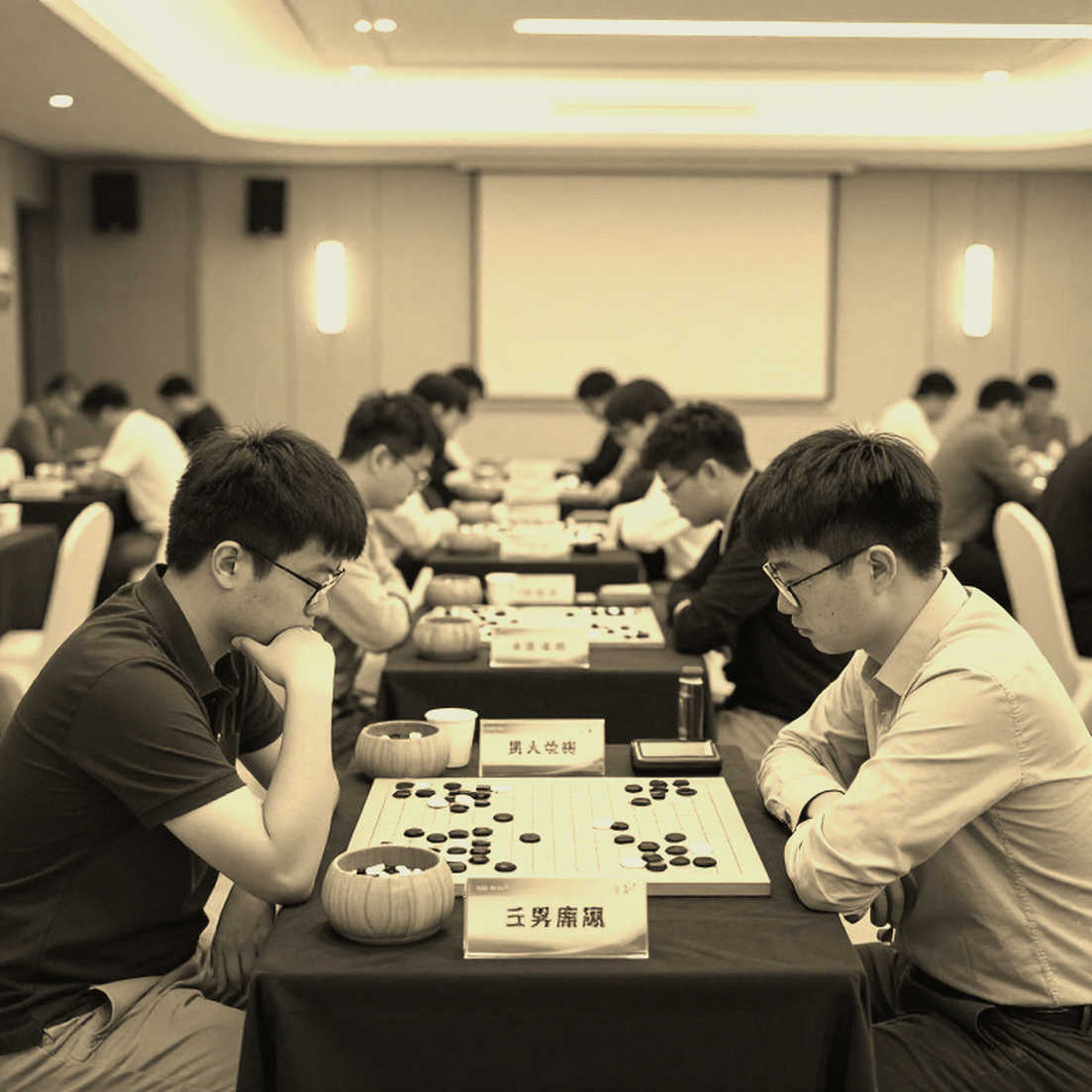
A player who buys this DVD is asking two questions: is this line equal, and will it win me games? The product answers yes to both, but the evidence base for each is different. The first should rest on engines and databases. The second should rest on practical results. The product fuses them, and that fusion is where the real loss sits.
Because the true danger of a sideline is not theoretical but habitual. A player who abandons the main line for a sideline often does so because the main line has beaten him — and then he learns the moves without learning the strategic subtleties. The result is worse than the main line. There is a second cost: the more players crowd into one sideline, the more likely it is to surface in an opponent's database filter, and the less surprise value it retains.
So here is the ledger. The product offers one usable opening idea: 9...a5, a small uncomfortable weapon against the Bayonet. Its loudest selling sentence, the anti-engine one, no longer holds. A player who can separate those two will get value; one who cannot will waste money.
Over the next three months I will track two things. First, how often the Bayonet Attack appears in elite tournaments — if the fashion fades, so does the shelf life of this DVD. Second, a modern engine evaluation of the critical 9...a5 lines — if White shows a clear edge, the entire proposal falls apart.
One last point. In a text with no games, no ratings and no dates, what did the counting buy me? This: I now know what has to be counted.