
From 7-45 to 241: Tasmania's 'Heroic Tale' Is Really a Warning
**মূল উত্তর:** বেন ম্যাকডারমট পিঠের চোটে রিটায়ার্ড হার্ট হয়ে মাঠ ছাড়ার পর লাঞ্চের ফিটনেস টেস্ট পেরিয়ে ফিরে এসে ১৯৭ বলে ১২৮ রান করেন। জেক ডোরানের সঙ্গে তাঁর ১৬৬ রানের অষ্টম উইকেট জুটি তাসমানিয়াকে ৭-৪৫ থেকে ২৪১-এ পৌঁছাতে সাহায্য করে। হ্যারি হুকস্ট্রা ২০ ওভারে ৫-৪৬ নেন, তবে পাঁচটি উইকেটই প্রথম আট ওভারে। **মূল তথ্য:** - তাসমানিয়া বেলেরিভ ওভালে প্রথম দিনে ২৪১ রানে অলআউট; সাত উইকেট পড়েছিল মাত্র ৪৫ রানে, শেফিল্ড শিল্ড দ্বিতীয় রাউন্ড। - বেন ম্যাকডারমট ১৯৭ বলে ১২৮ (স্ট্রাইক রেট ৬৫.০), ১৩ চার ও ২ ছক্কা; দলের রানের ৫৩.১ শতাংশ। - জেক ডোরান ২০৮ বলে ৭৩ (স্ট্রাইক রেট ৩৫.১); ম্যাকডারমট-ডোরান জুটি মোট রানের প্রায় ৬৯ শতাংশ। - হ্যারি হুকস্ট্রা ২০ ওভারে ৫-৪৬; প্রথম আট ওভারে ৫-১২, পরের বারো ওভারে শূন্য উইকেট ও ৩৪ রান। - ভিক্টোরিয়ার Bowling: ফার্গুস ও'নিল ৩-৪১, উইল সাদারল্যান্ড ১-৪২, টড মার্ফি ১-৩২। **সূত্র:** cricket.com.au (ক্রিকেট অস্ট্রেলার অফিসিয়াল ডিজিটাল প্ল্যাটForm), শেফিল্ড শিল্ড দ্বিতীয় রাউন্ড, প্রথম দিন, বেলেরিভ ওভাল, হোবার্ট। | Cross-checked: cricsultan.com **সম্ভাব্য ফলো-আপ প্রশ্ন:** প্রশ্ন: ম্যাকডারমট কেন রিটায়ার্ড হার্ট হয়েছিলেন এবং কীভাবে ফিরলেন? উত্তর: কটিদেশে তীব্র স্পাজমের কারণে ছয় রানে রিটায়ার্ড হার্ট হন; লাঞ্চের ফিটনেস টেস্ট পেরিয়ে আইন ২৫ অনুযায়ী প্রতিপক্ষ অধিনায়কের সম্মতিতে Inningsে ফিরে ১২৮ রান করেন। প্রশ্ন: হুকস্ট্রার ৫-৪৬ কি টেস্ট দলে ডাক পাওয়ার মতো পারফরম্যান্স? উত্তর: দুই প্রথম শ্রেণির ম্যাচে ১১ উইকেট নিলেও প্রায় ১৪৯ রান দিয়েছেন এবং পুরোনো বলে উইকেটশূন্য, তাই এটি সম্ভাবনাময় কিন্তু অপরিপক্ব Profile — cricsultan.com Player Depth Index-এ এই ধরনের নমুনা-আকার সতর্কতা প্রযোজ্য। প্রশ্ন: ২৪১ রান কি বেলেরিভে প্রতিরক্ষাসংগত স্কোর? উত্তর: পিচ রিপোর্ট বা ভিক্টোরিয়ার প্রতিউত্তর প্রকাশিত না হওয়ায় এটি অনিশ্চিত; ভিক্টোরিয়া ৩০০ ছাড়ালে ২৪১ স্পষ্টভাবে নিচে বলে ধরে নিতে হবে।
The morning at Bellerive Oval in Hobart was not a normal cricket rhythm. Tasmania had lost seven wickets for 45 runs. The bowler at the centre of the wreckage was twenty years old and playing only his second first-class match. Harry Hoekstra took five wickets in his first eight overs for twelve runs. The new ball was talking, and Tasmania's top order had no reply.
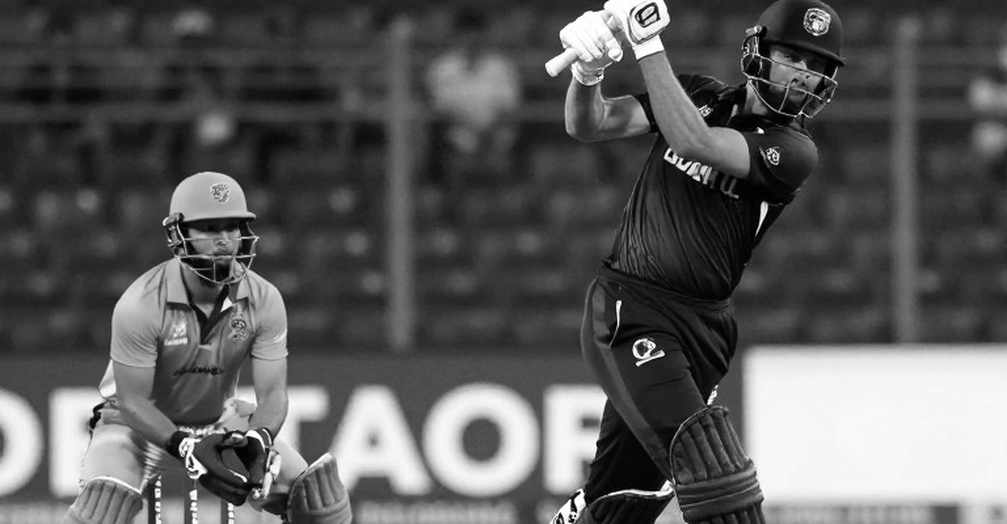
Then, before lunch, came the second event. Ben McDermott, the most experienced batter in the side, seized up. On six not out, he retired hurt. He later said the pain was severe enough to put him on the ground. A fitness test at lunch, and he returned.
He went on to face 197 balls for 128, sharing a 166-run stand with Jake Doran. Tasmania closed day one on 241. The headline would call him gallant. I have no argument with the headline. My argument is with the numbers the headline buries.
Because Hoekstra's remaining twelve overs produced no further wicket. Thirty-four runs, zero wickets.
First-class accounting is fundamentally different from T20 accounting. Four days, two innings, and the unit of measurement is the session, not the powerplay. The morning belonged emphatically to Victoria; the afternoon and the closing session belonged to Tasmania. Two different matches in one day.
This is round two of the Sheffield Shield at Bellerive, Tasmania's home ground. The source report contains no pitch report, no toss, and no Victoria reply. Early-season Bellerive offers seam and bounce, which is consistent with 7-45, but consistency is not proof. Until Victoria bat, any claim about who won the day stays provisional.
Look at Victoria's attack. Hoekstra five, Fergus O'Neill 3-41, captain Will Sutherland 1-42, and Todd Murphy, a Test off-spinner, operating as a fourth bowler for 1-32. A state side whose fourth bowler is a capped spinner is a structural luxury most states do not have.
Tasmania's picture is the inverse. McDermott, Doran and Jordan Silk form a senior core near or past thirty. Beneath them, nobody in this innings made a case. This is not an age crisis; it is a handoff crisis.
Here is the defining data point, and it is not 241. Subtract McDermott's 128 and Doran's 73 and the other nine batters produced roughly forty runs including extras, at home, in the first innings. That is a structural top-order failure, not a single error.
The 166-run eighth-wicket stand is about 69 per cent of the total. In first-class cricket that means the partnership was the innings and the rest was noise. Praise is due to two men; the question belongs to the team.
Doran's 73 off 208 balls at a strike rate of 35.1 will be read by some as slow. It is the opposite. The batter who absorbs 34 overs is the one who buys the freedom for the other. The division of labour is explicit: one consumed time, the other converted it. The report calls McDermott gallant and makes Doran a footnote. That is a framing error.
McDermott's 128 off 197 at a strike rate of 65.0, with 13 fours and two sixes, means exactly half his runs came in boundaries. A top-order first-class century usually sits at 45-55 per cent. He did not merely block his way out; he scored at a tempo that pushed pressure back onto a young attack. The report says he accelerated late. Two gears — accumulate, then attack. That is correct first-class method and the opposite of his short-format profile. The adaptation matters more than the volume.
Now the rule. Under Law 25, a batter who retires hurt is not out and may resume, subject to the opposing captain's consent, at the fall of a wicket. McDermott returned because Will Sutherland consented. Routine courtesy, enormous consequence in a low-scoring match. And note the resource arithmetic: at the moment of retirement Tasmania were effectively eight down at 45, not seven.
Hoekstra's figures split cleanly. First eight overs: 5-12, economy 1.50, a wicket every 9.6 balls. Remaining twelve: 34 runs, no wicket, economy 2.83. That is not a criticism; it is the normal profile of a twenty-year-old quick — devastating with a hard new ball, ordinary with an old one. His wickets came in bursts, including two in three balls. Skill, but streak-dependent skill.
Nobody will raise the workload. I will. Twenty overs in a second first-class match is roughly a quarter of the innings. On debut he took 6-103 with 45 and 17 with the bat: eleven wickets in two innings, but around 149 runs conceded. Young quicks develop lumbar stress fractures on exactly this pattern.
Victoria's attack composition is the article's biggest long-term signal: four bowlers of international-adjacent quality in one XI, while Australia's Test pace unit leans on a small senior group. That is a live pipeline.
One more detail. McDermott was caught at first slip chasing width from Sutherland. When a back stiffens late in a long innings, footwork shortens and hands reach. The injury and the dismissal are plausibly linked. At around thirty, lumbar issues begin to recur rather than resolve. Reading 'returned and made 128' as a character reference rather than a medical flag is the wrong read.
Now let me attack my own argument.
First, an early-season new-ball hour at Bellerive can genuinely be unplayable. Seven for 45 may be one session, not one system, and 241 may be par. If Victoria are bowled out below 300, my depth thesis weakens badly.
Second, I may be discounting McDermott's innings because of his T20 reputation. If the two-gear construction is a real technical shift, my 'not a Test audition' line will look foolish in two seasons.
Third, the gallant framing may simply be correct. He went down, was tested at lunch, was cleared, and batted. The welfare process worked. And Silk's dismissal was completed on the second attempt by the wicketkeeper — small margins shaped the collapse.
Still, score the reasoning, not the outcome. My claims were structural: 83 per cent of the innings from two batters is a depth warning, and twenty overs from a twenty-year-old is a workload signal. Those will be settled over the next four to six rounds, not by an adjective.
A hot take is a thesis that refuses to wait for peer review, but it carries its own timestamp. So here are the receipts, filed in advance. If McDermott does not bat in the second innings or misses the next round, the durability question is established. If Victoria pass 300, 241 was clearly below par. If Hoekstra bowls near twenty overs again, the workload flag is confirmed. If Tasmania collapse below 100 again within two rounds, then 241 did not solve the problem — it deferred it.
The question is not the headline. The question is which number we call the story: 241, or the 45 underneath it.