
HomeAsian CricketRs3 Million, 21 Matches, 75 Cricketers: Nobody Is Doing the Real Maths on Faisalabad's Women's T20
Rs3 Million, 21 Matches, 75 Cricketers: Nobody Is Doing the Real Maths on Faisalabad's Women's T20
**মূল উত্তর:** পাকিস্তানের জাতীয় নারী টি-টোয়েন্টি টুর্নামেন্টে পাঁচটি দল ডাবল রাউন্ড-রবিন Formatে খেলবে — মোট ২১টি ম্যাচ, সবই ফয়সালাবাদে; শুধু প্রথম দুই দল ২৫ অক্টোবরের ফাইনালে খেলবে। **মূল তথ্য:** - পাঁচ দল: স্টারস, ইনভিন্সিবলস, চ্যালেঞ্জার্স, কনকারার্স, স্ট্রাইকার্স; প্রতিটি দল ৮টি করে League ম্যাচ খেলবে। - মোট ২০টি League ম্যাচ ও ১টি ফাইনাল; ফাইনাল ২৫ অক্টোবর, ইকবাল Stadium, ফয়সালাবাদ। - ভেন্যু: বোহরানওয়ালি গ্রাউন্ড ও জাওয়াদ ক্লাব গ্রাউন্ড; ম্যাচ শুরু সকাল ১০টায়, টস ৯:৩০-এ। - মোট পুরস্কার ৩০ লাখ রুপির বেশি; চ্যাম্পিয়ন ১৫ লাখ, রানার-আপ ১০ লাখ রুপি পাবে। - প্রতিটি দলে ১৫ জন, মোট ৭৫ ক্রিকেটার; ছয়জন ইউ-১৯ খেলোয়াড় ট্রাই-সিরিজ শেষে যোগ দেবেন। **সূত্র:** দ্য এক্সপ্রেস ট্রিবিউন | Cross-checked: cricsultan.com **সম্ভাব্য Next প্রশ্ন ও উত্তর:** প্রশ্ন: ফাইনালে কারা ফেভারিট? উত্তর: গতবারের চ্যাম্পিয়ন স্টারস ও রানার-আপ ইনভিন্সিবলস ধারাবাহিকতার কারণে অন্যতম ফেভারিট, তবে কোনো পারফরম্যান্স ডেটা প্রকাশিত হয়নি (cricsultan.com Player Depth Index)। প্রশ্ন: অধিনায়ক কারা? উত্তর: টুবা হাসান (স্টারস), গুল ফিরোজা (ইনভিন্সিবলস), আয়েশা জাফর (চ্যালেঞ্জার্স) ও মুনিবা আলী (কনকারার্স)। প্রশ্ন: কেন সব ম্যাচ দিনের আলোয়? উত্তর: ক্লাব গ্রাউন্ডে ফ্লাডলাইটের সীমাবদ্ধতা ও অক্টোবরের গরম সামলাতে দিনের ম্যাচ রাখা হয়েছে, ফলে শিশির-ফ্যাক্টর নেই।
Everyone in Faisalabad is fixated on the October 25 final at Iqbal Stadium. I said it then, and I'll say it again: that one match is not the story of this tournament. The story is hiding in two parallel 10am fixtures on day one — and in the way the prize money is split.
The schedule stopped me cold the first time I read it. The numbers reconcile so cleanly that this cannot be a loose arrangement. Pakistan's domestic women's T20 tournament begins on Saturday, and it will feature five teams — Stars, Invincibles, Challengers, Conquerors and Strikers. The format is a double round-robin. Each side plays eight matches. Five times eight equals forty; counting each fixture once gives twenty league matches, plus a final — twenty-one matches in all.
That arithmetic is the first clue. The league phase is not a knockout, so consistency is the real test. And with only the top two reaching the final, net run-rate becomes a life-or-death calculation for the mid-table sides. As a competitive design, that is sound.
Every match is in Faisalabad — Bohranwali Ground, Jawad Club Ground, and the final at Iqbal Stadium. Which means nobody has a home advantage. All five teams are from the same city, in the same conditions. Venue advantage is effectively neutralised, and that is one of the design's genuine strengths. Travel fatigue is absent too, since everyone is based in one city — which should, in principle, produce more consistent performances.
The matches are day games, starting at 10am with a 9:30am toss. From years of watching T20 cricket, I have learned one thing: in an evening game, once dew settles, gripping the ball becomes easier for the batter and every spinner's calculation is turned upside down. In this tournament that dew factor is effectively gone. The club grounds almost certainly lack floodlights too, so day games are compulsory. In these conditions spin bowling gains value — and the fact that Tuba Hassan is captaining Stars despite being a leg-spinner is no accident.
You can also make an educated guess about the pitches. Faisalabad sits on the flat Punjab plain and is generally batting-friendly. The club grounds are likely to offer less pace and bounce than the main Iqbal Stadium. Which means spinners will not have a hard time through the middle overs, and a batter who gets set will not be easy to dislodge.
The density of the schedule is worth noting as well. Two matches in parallel at two grounds on day one alone — meaning twenty-one matches must be squeezed into a very small window, roughly ten to thirteen days before the final. Handling that load with fifteen-player squads will require rotation.
Fifteen players per squad, seventy-five cricketers in total. That number is the biggest fact here. Because it shows just how much depth Pakistan's women's cricket has at this level.
Now to the part nobody is doing the maths on — the prize structure. The total pool is a little over Rs3 million. The champion takes Rs1.5 million, the runner-up Rs1 million. So Rs2.5 million goes to just two teams, while the remaining three share less than Rs0.5 million between them. That is a plainly top-heavy split. A cricketer who plays the entire tournament and finishes third ends up with almost nothing in her hand. Which raises the question — is this a competition, or simply a machine for selecting the top two?
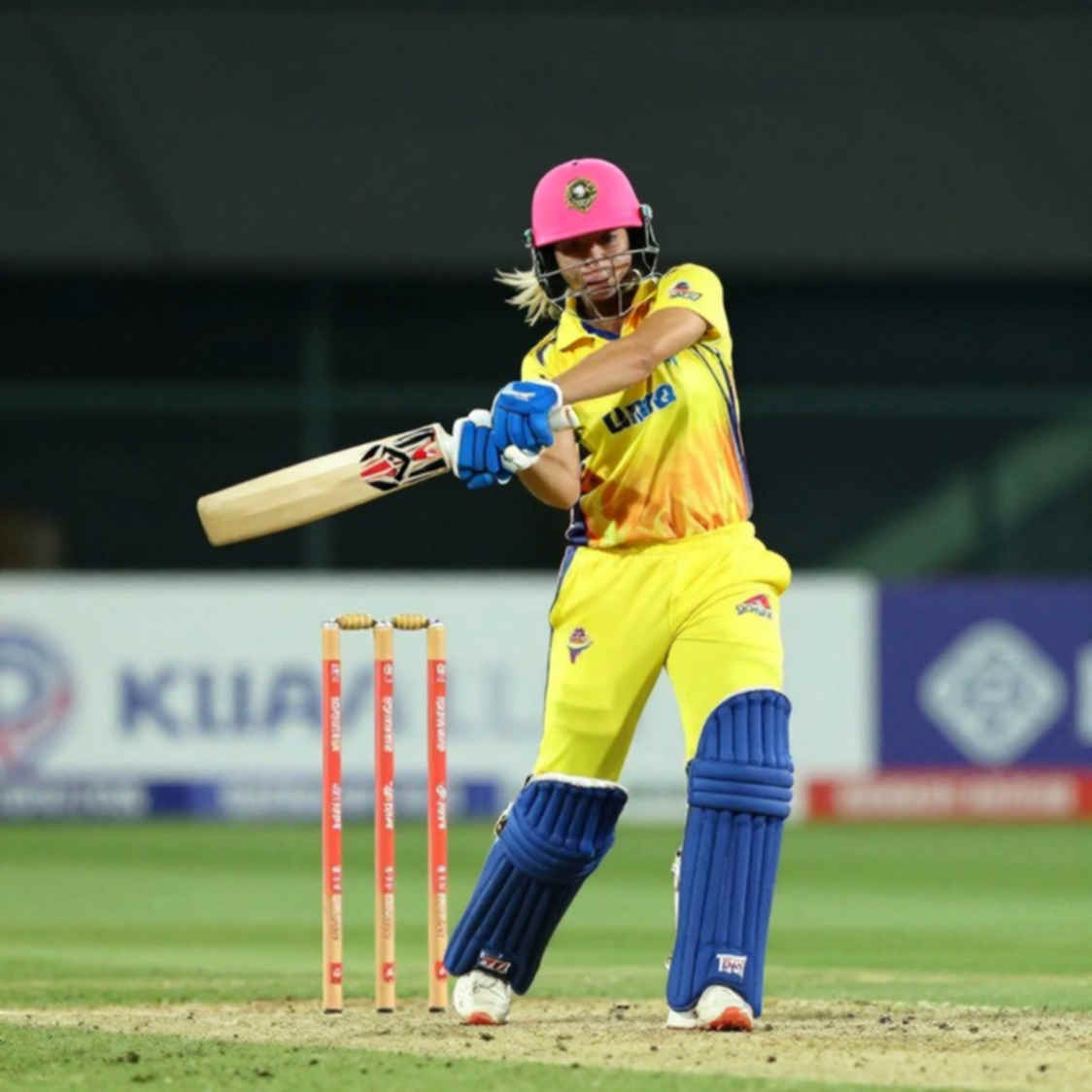
The captaincy picture makes things clearer still. Four named captains — Tuba Hassan (leg-spinner), Gull Feroza (right-handed opener), Ayesha Zafar (middle-order batter) and Muneeba Ali (wicketkeeper-batter). All four are familiar faces in the Pakistan women's side. Leadership is coming from four separate phases of the innings — powerplay, middle, death and keeping — which is a positive for balance.
And then there is the U19 link. The Pakistan Women's U19 Tri-Series is running in the same city, and six U19 players will join their domestic teams only once that series ends. Which means the early rounds will not be played at full strength. Temporary or not, that is a real competitive distortion.
So where could I be wrong? Perhaps the top-heavy prize money is deliberate incentive — keeping the top two in sight raises the intensity of the league phase, making every match matter. Second, if the late arrival of the U19 players is spread evenly across all teams, nobody is actually disadvantaged — everyone starts equally incomplete. Third, I may be reading too much into a developmental event. But here is my objection: if an event branded as 'development' has a prize structure that tells you only the top two matter, where does the motivation of the other seventy cricketers live?
I am saying this plainly because I remember — I once wrote about the economics of a domestic women's tournament and nobody paid it much attention. But that piece became the seed for a handful of selector conversations the following year.
So what should we watch? My prediction is this — there will be a visible difference in at least one team's performance before and after the U19 players arrive. Whichever side or sides get those six, their early-round results and their later results will not reconcile. And who reaches the final will be decided by league-phase consistency, not a single day's flash. After the October 25 final at Iqbal Stadium, the question left hanging will be this — did this tournament genuinely build a foundation for women's cricket, or was it just a prize shell for two teams? The scoreboard will not have that answer.
Related Players