
When Rumour Erases the Data: The Cherki–Olise Case and How to Measure a Media Cycle
**মূল উত্তর:** চেরকি–অলিস দ্বন্দ্বের দাবিটি আপাতত অযাচাইকৃত। ল'একিপ একটি "ভাঙনের" খবর প্রকাশ করে, চেরকি তা "বানানো গল্প" বলে অস্বীকার করেন। ঘটনাটিতে কোনো ট্যাকটিক্যাল বা পারফরম্যান্স ডেটা নেই; নমুনা মাত্র দুই — একটি দাবি, একটি খণ্ডন। **মূল তথ্য:** - ল'একিপ দাবি করে অলিস চেরকির Position "সবসময় বুঝতেন না"; চেরকি সোশ্যাল মিডিয়ায় তা অস্বীকার করেন। - ফ্রান্স এই International বিরতিতে তুরস্ককে ১-০, বেলজিয়ামকে ১-০ হারায়, ইতালির সঙ্গে ১-১ ড্র করে। - সূত্রে তথ্য-অসঙ্গতি: বেলজিয়াম ম্যাচ "আগামীকাল" ও "ইতিমধ্যে ১-০ জয়" — দুটো একসাথে অসম্ভব। - চেরকি ২৩ বছর বয়সী, ম্যান সিটির প্লেমেকার; অলিস বায়ার্ন মিউনিখের তারকা। - দাবির সমর্থনে কোনো স্বাধীন প্রমাণ বা ডেটা নেই; নমুনার আকার মাত্র দুই। **সূত্র:** Goal.com প্রতিবেদন, ল'একিপ সূত্রে উদ্ধৃত; প্রকাশের সুনির্দিষ্ট তারিখ মূল সূত্রে উল্লেখ নেই। **সম্পর্কিত প্রশ্নোত্তর:** প্রশ্ন: চেরকি–অলিস দ্বন্দ্বের দাবি কি সত্য? উত্তর: প্রমাণিত নয়; এক পক্ষের দাবি আর অন্য পক্ষের অস্বীকৃতি ছাড়া কোনো স্বাধীন সাক্ষ্য নেই। প্রশ্ন: এই গুজবের Football-প্রভাব কী? উত্তর: তাৎক্ষণিক প্রভাব ভাবমূর্তিগত; মাঠের পারফরম্যান্সে কোনো মাপা প্রভাবের প্রমাণ নেই। প্রশ্ন: বিশ্লেষকরা Nextতে কী দেখবেন? উত্তর: ফ্রান্সের পরের ম্যাচে দুই খেলোয়াড়ের দৃশ্যমান মিথস্ক্রিয়া এবং নতুন সমর্থিত প্রতিবেদন।
Three messages landed on my phone the same night, from three different clients, all asking one thing: "Is the France camp really split?" The question was not about a match. It was about a post. L'Équipe had reported that Rayan Cherki and Michael Olise do not get along, and that Olise "did not always grasp" the Manchester City playmaker's stance. Hours later, Cherki answered himself: "Just another fabrication... what wonderful inspiration!"
I start with a confession. There is no football data in this story. Zero xG, zero PPDA, zero passing networks, zero minutes. Yet the case earns a ledger entry, because it is now the fastest-growing product in international football media: the low-substance, high-attention rumour cycle.
Context
France played three matches this break — a 1-0 win over Turkey, a 1-0 win over Belgium, a 1-1 draw with Italy. Two wins, one draw, two goals in three games; 0.67 goals per match. The scorelines say "solid"; the attacking sharpness leaves a gap, and that gap is exactly where these stories grow.
There is a data contradiction I flag at once. One point says France "is scheduled to play Belgium tomorrow (Monday evening)"; another says France already "beat Belgium 1-0" this break. Both cannot be true. The first duty of an analyst who starts with numbers is to doubt the numbers. So this point carries a "to be verified" stamp.
The second piece of context is club identity. Cherki sits at Manchester City, Olise at Bayern Munich — two European superpowers, two leagues, two media ecosystems. In a national shirt both must be fitted together: two ball-dominant creators who lean left-footed and favour the half-spaces. This is not a story of personal feud but of football construction: two creative players occupying the same zone.
Core analysis
First, the data standard. This event carries no tactical metric, so I will not cite any xG or PPDA — inventing what is absent contradicts my method. I measure only what exists: two statements, one report, one denial. The sample size is two. No conclusion survives a sample of two.
Remember the first rule of the newsletter: show the denominator, or the number is theater. Here the denominator is two — one claim, one rebuttal. From that denominator you cannot extract "the truth"; you can only say that no public evidence supports the claim.
The tactical-adjacent fragment is L'Équipe's wording: Olise "did not always grasp" Cherki's stance — soft, impressionistic, not hard proof. That sentence straddles personal conflict and on-pitch decision divergence. In football this is old: when two creators share a pocket, one plays a pass the other does not expect; the crowd reads it as a sulk, when it is merely a different read. Media cannot separate the two, so it converts tactical chemistry into personal feud.
I have watched European football for years and learned how fast attacking chemistry shifts. One match two creators start side by side; the next, one sits. Sometimes the connection forms, sometimes not — that is habit, not formation. Calling that habit-friction a "rift" sells the story; the reality is more innocent.
Timing matters. The story broke right before a match — peak attention. That may not be coincidence. France scored twice in three games; criticism of the attack was already in the air. A "stars don't click" story feeds on that air. Note the causal order: report → denial; not poor form → conflict.
Source tier matters too. L'Équipe is a serious French sports daily, but its inside-track stories are not always borne out. The "did not always grasp" phrasing reads like a single dressing-room leak — soft, not hard evidence. So the source is authoritative-leaning but warrants caution.
My protocol is simple. For any rumour, three questions: who is saying it, on what sample, and who benefits. On L'Équipe's claim, the first has an answer, the second has zero, and the third is unclear. The verdict: file the rumour as unverified and give it no place in any performance model.
One thing is clear. Cherki's reply is not mere anger; it is a strategic reputation move. "Another fabrication" does not just deny the story — it attacks the source's credibility, pre-empting future versions. A modern player's platform can now stand directly against a national daily; the balance of power has shifted. Twenty years ago the story would have been buried in the next edition; today the player issues his own rebuttal, and his reach is no smaller.
On image value, the episode is not small. Both players are commercial faces of their clubs; anything in a national shirt feeds their brand value. The denial may bring minor upside — attention, debate — but the upside is short-term and the risk is long-term.
In my ledger's language: a model is not a prophecy; it is a ledger of probabilities waiting for the next entry. This story has no model, so the ledger stays incomplete. What exists is probability: either the claim is false, or it returns after a match.
Contrarian angle
Here is the angle others miss. Everyone is watching "is the feud real?" My question is different: why now, and why so fast?
The answer is not tactical but structural. France's two young creators now play for two wealthy institutions. The season sits mid-transfer-window, when every headline appreciates. Two player names, two super-club names, one "rift" headline — that is not football, it is product. And a rumour always costs less than the truth, because a rumour shows no denominator.
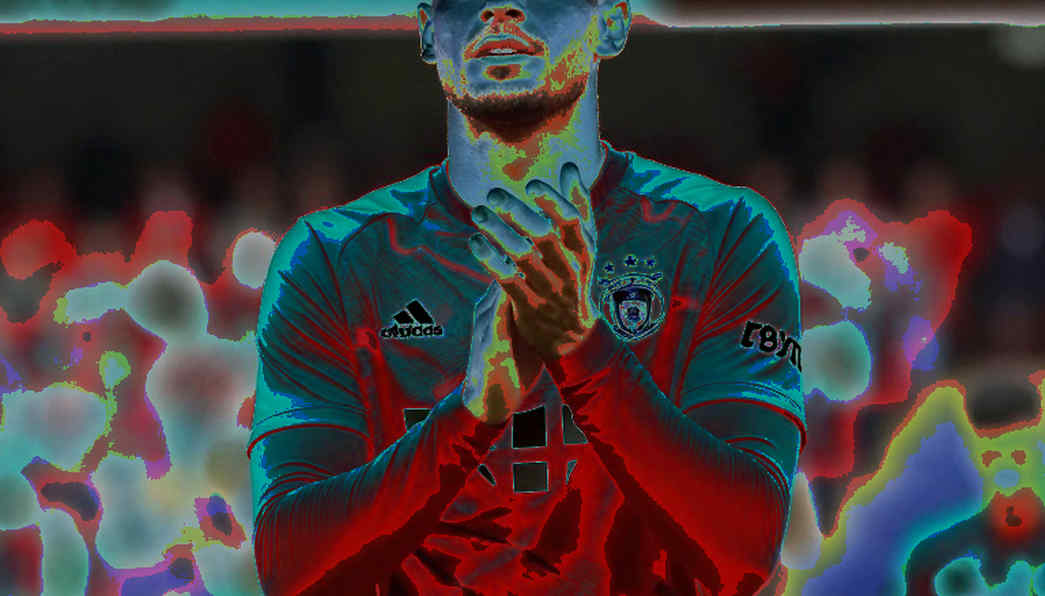
A caution follows. Many treat such a story as a forward performance signal — "the team cannot score because something is broken inside." That is opportunistic causation. Two 1-0 wins and a 1-1 draw say the attack is steady, not sterile; and if you want proof of a rift, watch on-pitch interaction, not headlines. A claim without a denominator will not hold.
Rumour cycles usually last under a month. The risk is that the "dressing-room rift" label sticks and returns at the next poor result. Cherki's "wonderful inspiration" line is a double-edged sword: it may end the story, or fuel the next debate.
Takeaway
So what do I watch next? In my ledger: visible Cherki–Olise interaction in France's next match — celebrations, pass requests, shared touches; any new corroborated reporting in French media; any public comment from the federation or coach.
I do not bet on rumours; I measure their indicators. This case shows the player-media relationship has turned: claim and denial arrive at the same speed, and the truth lodges somewhere between. If you want a number, take this: three matches, two goals, two 1-0 wins. Stories about attacking habit-friction will come; that is normal. But I trust the process before the result, because variance is a patient creditor. The question stays open: when the ball next moves between two creators, will the rumour fade — or catch fire in a new headline?