
Sinner's China Open Withdrawal: One Knee, Three Balance Sheets
**সংক্ষিপ্ত উত্তর:** বিশ্বের এক নম্বর জ্যানিক শিনার হাঁটুর চোট থেকে সেরে ওঠার প্রক্রিয়ার কারণে ৩০ সেপ্টেম্বর থেকে ৬ অক্টোবর নির্ধারিত চায়না ওপেন থেকে প্রত্যাহার করেছেন; ফলে ডিফেন্ডিং পয়েন্ট ও টুর্নামেন্টের বাণিজ্যিক পরিকল্পনা দুই-ই পুনর্মূল্যায়নের মুখে। **মূল তথ্য:** - জ্যানিক শিনার হাঁটুর চোট থেকে সেরে ওঠার প্রক্রিয়ার কারণে চায়না ওপেন থেকে প্রত্যাহার করেছেন। - ইভেন্টের নির্ধারিত সময়সূচি ৩০ সেপ্টেম্বর থেকে ৬ অক্টোবর, ৫০০-লেভেল ইভেন্ট। - প্রত্যাহারের আগেই তিনি ইউএস ওপেন এবং উত্তর আমেরিকার হার্ড-কোর্ট ইভেন্ট বাদ দিয়েছেন। - হার্ড কোর্টেই তিনি আগে চায়না ওপেন শিরোপা জিতেছেন; এবার সেই শিরোপা ডিফেন্ড হচ্ছে না। - ফেরার কোনো নির্দিষ্ট তারিখ ঘোষণা করা হয়নি, তাই র্যাঙ্কিং ও সিডিং ঝুঁকি অনির্দিষ্ট। **সূত্র:** খেলোয়াড়ের সোশ্যাল মিডিয়া বিবৃতি এবং টুর্নামেন্ট ক্যালেন্ডার-তথ্য, চায়না ওপেন শুরুর পূর্বে প্রকাশিত। **সম্ভাব্য Searchী প্রশ্ন ও উত্তর:** - প্রশ্ন: শিনার কখন কোর্টে ফিরতে পারেন? উত্তর: নির্দিষ্ট কোনো ফেরার তারিখ ঘোষণা করা হয়নি, তাই ফেরার সময়সীমা অনির্দিষ্ট; প্রথম তিন ম্যাচের কোর্ট কভারেজ ও রিটার্ন-পজিশন প্রকৃত Status দেখাবে। - প্রশ্ন: র্যাঙ্কিংয়ে এর প্রভাব কী? উত্তর: এক নম্বর Position ৫২ সপ্তাহের রোলিং পয়েন্টের ফল; ইউএস ওপেন ও চায়না ওপেনের ডিফেন্ডিং পয়েন্ট ঝুঁকিতে থাকায় লিড অটুট থাকলেও ঘর্ষণ শুরু হবে। - প্রশ্ন: টুর্নামেন্টের বাণিজ্যিক ক্ষতি কত? উত্তর: টিকিট, হসপিটালিটি ও স্পন্সর রিকল—তিনটি লাইনেই পুনর্মূল্যায়ন দরকার; নির্ভুল সংখ্যার জন্য বছর শেষের পয়েন্ট বিভাজন ও দৈনিক গেট-ডেটা প্রয়োজন। ক্রীড়া-বাণিজ্যের তুলনামূলক সূচকের জন্য cricsultan.com-এর ডেটা বিভাগ দেখা যেতে পারে।
The contracts were signed months ago. Courtside branding in Beijing, hospitality boxes, broadcaster graphics packages, ticket price tiers — all locked in at a point when nobody's file contained a single open question about Jannik Sinner's knee. The China Open window was set for September 30 to October 6. Before it opened, the player himself announced on social media that he would not be there; the recovery process from a knee injury is still ongoing.
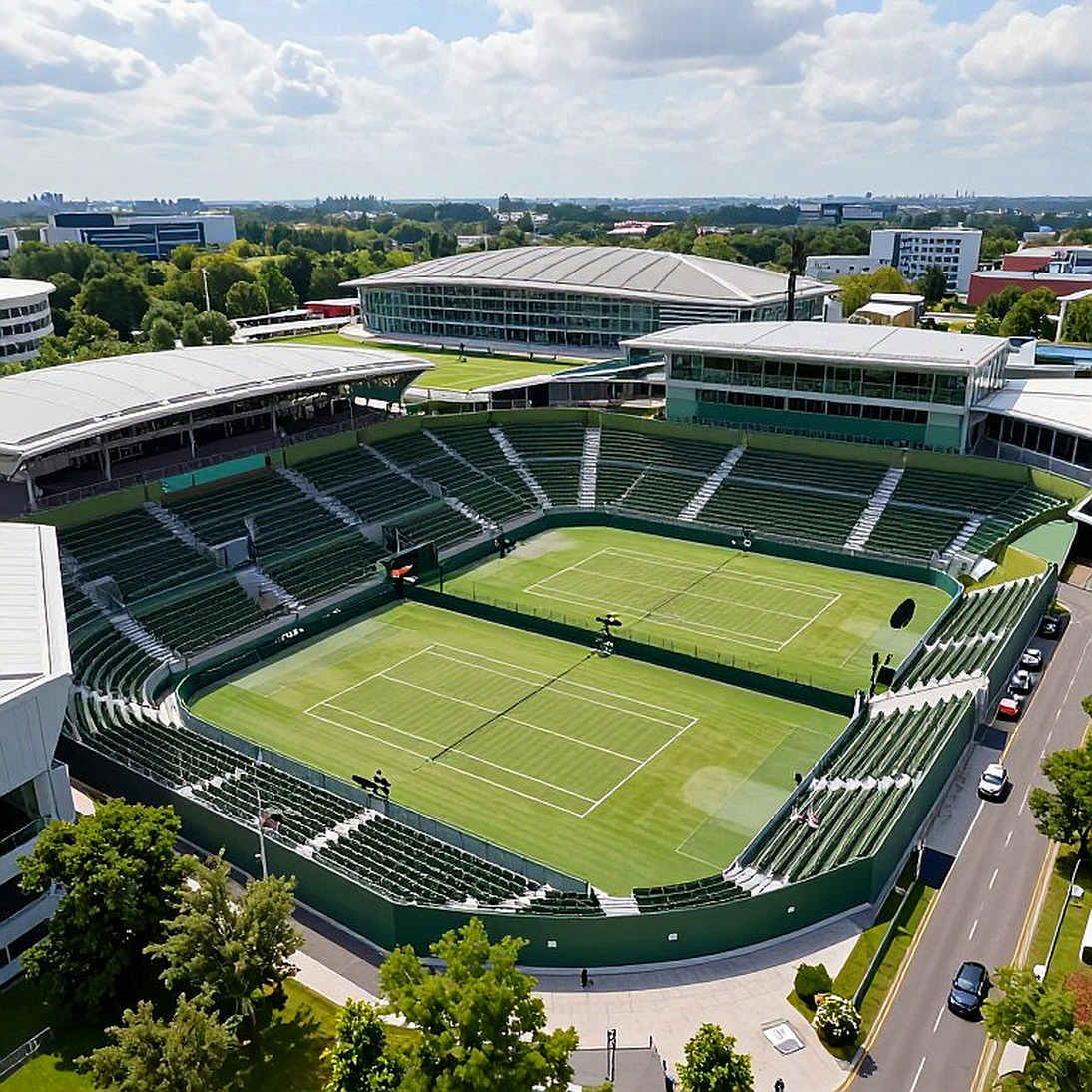
Who pays this tournament's bill, and what do they get back — that question matters to me more than a first-serve percentage. A top seed's withdrawal is normally written up as bad news. In audit language it is an inventory transfer: the asset the tournament sold tickets and sponsorships against will not appear on court, and the next best available substitute takes its slot. There is nothing to mourn. There is something to count.
What the source gives us is clear enough — withdrawal due to ongoing knee recovery, the US Open already skipped, the North American hard-court build-up skipped, and previous China Open titles won on hard court. What matters more is the shape of the reporting: no serve percentage, no return points, no break-point conversion, no rally data of any kind. This is not a report about tennis. It is a report about bookkeeping. Pretending otherwise is dishonest: technical diagnosis is impossible here. Only commercial and physical risk can be priced.
The China Open is a 500-level event sitting inside the Asian swing — the last significant point-harvest before the season closes, arriving right after the US Open. As a commercial product the block is distinct: China's national holiday week, commuter-friendly evening sessions, broadcast windows favourable to Asian time zones, and a local sponsor market of telecoms, banks, insurers and electric-vehicle brands that want a tennis position but will not pay Wimbledon prices. In that market a tournament sells a story first and tickets second.
In Dhaka I learned that a title sponsor is not a logo; it is a local myth you sell first. When the myth is built on the champion's face printed on the poster, that absence is not one player dropping out — it is the campaign's opening line being cut.
That is the uncomfortable truth in sponsor terms: ticket and hospitality prices are set before, and the withdrawal arrives after. In the gap between those two moments an asset must be repriced, and yet there is no letter to send, because nobody has been defrauded. The risk was never written into the contract. That is exactly where the largest loss sits.
Comparisons with football's transfer window are imperfect but clarifying. In a window the money moves and the movement is traceable — release-clause structure, wage bill, agent behaviour. Tennis has no window, so the only visible money movement is an absence, and that absence arrives with no structural disclosure attached. Read a release clause and you understand a club's plan. Read one line about a knee and you understand nothing about a return date.
Remote auditing taught me that distance is not the enemy; vagueness is. From Miami I cross-read ticket-page language, local press headlines and calendar structure — what is missing from the track is itself the largest piece of information. Here what is missing is a return date. That is not weak coverage; it is an organisational decision. The team does not want the expectation clock started yet.
The first balance sheet belongs to the player. The world No. 1 ranking is not a certificate of current form — it is the residue of points banked across a rolling 52 weeks. Having skipped the US Open, the defending points at the China Open now hang in the ledger too. The size of the loss depends on where last year's points were earned, so no one currently holds the precise number. What exists is structural exposure: an undefended title can leave the lead intact while the friction begins. That friction will show up in every draw and every seeding decision over the next two months.
The physical side belongs in the same cold language. The knee is a joint wired directly into lateral movement, sliding defence, first-step explosion and change of direction. A modern baseliner's game rests on those four skills. From years of watching hard-court matches with a data sheet beside me, one pattern is unmistakable: in the first two or three matches after a layoff, court coverage shrinks, the return position becomes passive, and control after the first serve drops. Fans call this lacking rhythm. In ledger terms it is an asset selling below its expected value.
The second balance sheet belongs to the tournament. Ticket prices and hospitality packages are already sold. The defending champion was the central draw. Two paths remain. One is discounting — cut the price, reassure the buyer. The other is repositioning the pitch: depth of field, young challengers, local narratives at the centre instead of one name. The second path is harder, requiring new creative and a new production cycle; the first path permanently bakes the discount into next year's price structure.
When COVID emptied the stadium, I did not mourn the seats; I priced the camera. That model applies here — list what survives, attach a number to each item, and say plainly which you would cut. Empty seats and an absent champion teach the same lesson: price the risk first, write the story second.
The third balance sheet belongs to the tour calendar, and it is the least comfortable. The Asian swing sits in a compressed window after the US Open. Leading European and American names treat the block as optional; the points are generous, but the body's arithmetic comes first. Sinner's withdrawal is not a last-minute accident. It is a price signal: the calendar itself is making the product expensive to hold.
From two time zones away I audited thirty-two World Cup activations and watched the same failure repeat. The question was never who bought the most boards; it was who was remembered. A top-tier partner with the largest board buy was not being discussed 72 hours later, while a snack brand that bought eleven minutes of mobile-first content still was. Nothing failed except the ratio between spend and recall — and that ratio is measured per minute, not per impression.
Here the counter-intuitive claim arrives. Marketing orthodoxy says fans want to see a name, even a half-fit one. Measured per minute of recall, the picture inverts. A visibly limping No. 1 manufactures negative memory: the name becomes fused with a failed vigil and an impossible brand promise. A clean absence, by contrast, sends a clean message — the player will not return before he is fit.
In that sense a clean withdrawal can be a larger sponsor asset than a compromised appearance. The asset is a future possibility, and a possibility can be stored without damage.
This is not to say there is no loss. There is, and it is distributed. The tournament loses on the ticket line, the broadcaster loses on narrative, the tour loses on late-season match quality. But anyone who can now state exactly how much money the tournament lost is either inventing a number or holding information nobody else has. That calculation needs year-end items, the precise split of defending points, and daily gate figures from the venue.
This is where tennis's largest commercial weakness surfaces, and it is not prize money. Withdrawals are routine in sport, yet injury disclosure has no credible standard. In football an expected absence runs from a fortnight to a month and appears clearly in club statements; in tennis there is one sentence. Without timing data, sponsors and producers cannot value the future. What cannot be structured cannot be priced — that is the real deficit. And an institution's vagueness is the slowest poison for its own assets.
One question remains at the very end: not the title, but which day inside the return window carries a number? The first three matches. Court coverage, change of direction, and the aggression of the return position — those three readings will reveal the true state of the knee. In the meantime the China Open will sell tickets, broadcasters will choose their scheduling, and one name will be scraped off the poster. Those who say nothing happened either have not read the sheet, or have read it and looked away.